

Your personal brand already exists—even if you have never intentionally created one. It is reflected in how colleagues describe you, the type of work people trust you with, the expertise they associate with your name, and the impression you leave after meetings, projects, and everyday interactions. That is why building a personal brand at work can be an important part of long-term career development. A strong professional brand is not about becoming the loudest person in the room or constantly promoting yourself. It is about developing a clear reputation based on your skills, values, reliability, communication, and contributions. When people understand what you bring to the table, new opportunities can become easier to find—and easier for others to associate with you.

By setting boundaries, prioritizing health, practicing mindfulness, empowering your team, and scheduling recovery, you set the stage for sustained success.
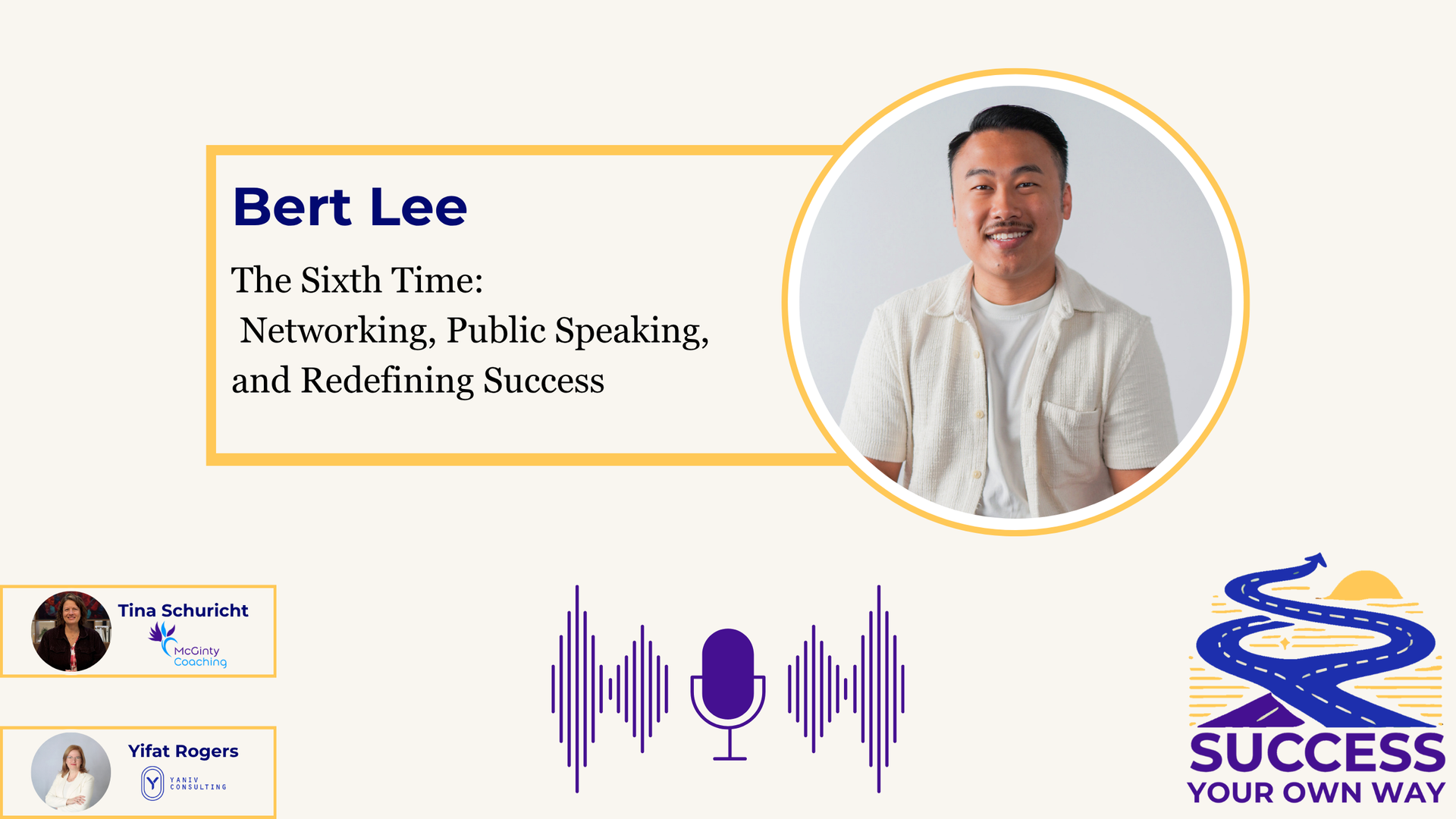
Bert talks about learning skills that didn’t come naturally at first, including networking and public speaking. He shares what helped him get more comfortable.

By reflecting on your experiences, setting new goals, and nurturing routines and relationships, you can reignite your motivation with renewed energy and purpose.

If you’re facing your own moment of uncertainty, remember: sometimes the worst day is actually the first step toward your best future. You never know what is next.

In this episode of Success Your Own Way, we reflect on the choices, experiences, and strengths that shape how we define success for ourselves. Check it out!
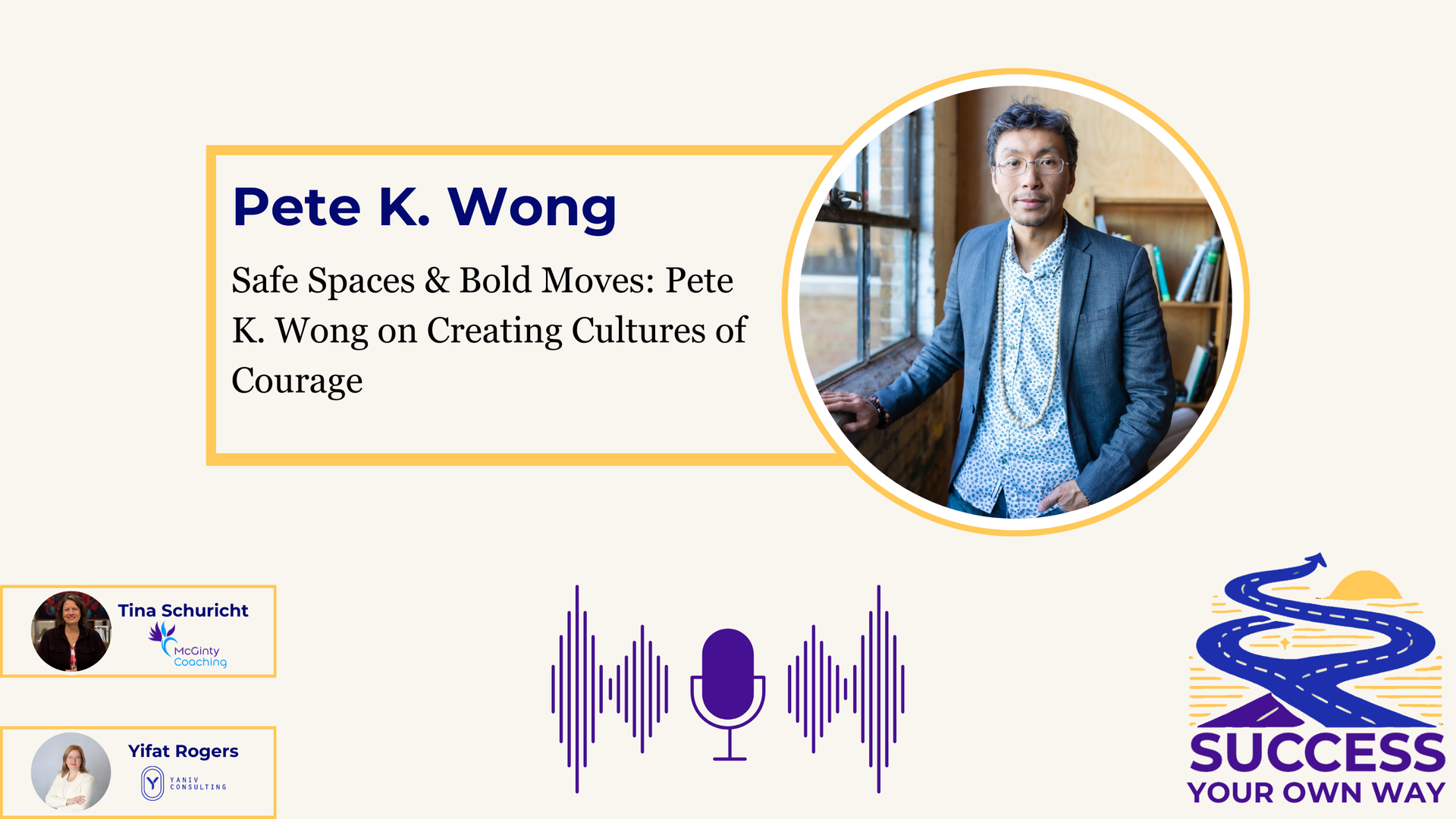
Whether you’re questioning your career path or looking for ways to foster psychological safety in your teams, this episode is packed with wisdom and practical tips.

Curiosity and humility are cornerstones to growth. I'd love to connect to discuss more about how this mindset can help lead to achieving your definition of success.

Discover practical, evidence-informed strategies to build lasting self-confidence through self-awareness, healthy habits, positive thinking, and consistent action.

Learn practical strategies to become a more confident and effective leader by improving communication, decision-making, emotional intelligence, and team trust.