
The Intersection of Kindness and Accountability in Leadership

Tina-Schuricht • June 6, 2025

Share this article

The intersection of kindness and accountability in leadership has become a point of intrigue for me lately.  While in a coaching session, this topic came up and it really got me thinking…is it really possible to be 100% kind and 100% in holding others accountable, or is this a zero-sum game?  Might this belief about being able to be both kind and drive accountability come down to how we define these terms?  Are we misunderstanding kindness; and what is the difference between being nice and being kind? In leadership, kindness and accountability are often viewed as opposing forces – that to be kind is to be lenient, and that accountability requires strictness. I don’t see it that way.  I don’t believe that these qualities are mutually exclusive; rather, they complement each other, creating a leadership style that inspires trust, fosters growth, and drives success.

Kindness as a Leadership Strength

Kindness in leadership is often misunderstood as weakness. Yet, I have found kindness to be a powerful tool for team member engagement and increased productivity. Kind leaders foster a supportive work environment where employees feel valued and motivated. They often display empathy and compassion which leads to higher levels of collaboration and innovation. When leaders prioritize kindness, they actively listen to their team members, acknowledge their efforts, and show appreciation. These acts of kindness create psychological safety, a crucial factor in performance and retention. Employees who feel heard and respected are more likely to contribute their best work. Furthermore, kindness encourages open communication, enabling teams to share their concerns and ideas without fear of harsh criticism.

What is the Difference between “Nice” and “Kind”?

As a resident of a state which is known for its “Minnesota Nice”, I got curious about the difference between being “nice” and being “kind”.

  1. Nice is about politeness; Kindness is about intention
    • Being nice often means being agreeable, polite, and pleasant in social interactions. It’s about following social norms and making others feel comfortable.
    • Being kind goes deeper—it’s about genuinely caring for others and acting in their best interest, even when it’s not easy or convenient.
  2. Nice seeks approval; Kindness seeks impact
    • A nice person may avoid conflict or say what others want to hear to maintain harmony.
    • A kind person may tell a difficult truth or set boundaries because they genuinely care about someone’s well-being.
  3. Nice is surface level; Kindness is meaningful
    • Niceness can sometimes be performative — people may act nice to be liked or to avoid confrontation.
    • Kindness is rooted in empathy and selflessness, often requiring effort and sacrifice.

Ultimately, kindness is about genuine care and action, while niceness is about social etiquette and approval. A truly kind person may not always seem nice, but their actions will always be rooted in goodwill.

Accountability: The Backbone of Leadership

While kindness creates an encouraging atmosphere, accountability ensures that expectations are met, and goals are achieved. Leaders who practice accountability set clear objectives, follow through on commitments, and hold themselves and their teams responsible for results. Accountability is not about blame or punishment; rather, it is about ownership and integrity. A workplace without accountability suffers from low standards, missed deadlines, and waning morale. Employees need structure and clarity to perform at their best, and leaders who emphasize accountability provide the necessary framework for efficiency.

The Balance Between Kindness and Accountability

A truly great leader understands the necessity of both kindness and accountability. Too much kindness without accountability can lead to complacency, while excessive accountability without kindness creates fear and resentment. The best leaders strike a balance—leading with empathy while maintaining high standards. Who are some leaders that exemplify this balance?

  1. Satya Nadella (CEO, Microsoft) – known for his empathetic leadership style, which has transformed Microsoft’s culture. He emphasizes a growth mindset, encouraging employees to learn and innovate while holding them accountable for results. His leadership has fostered collaboration and inclusivity, making Microsoft a more dynamic and forward-thinking company. He has had to make some difficult personnel decisions recently, and as a kind leader this can be a hugely emotional challenge. As someone who has experienced, his leadership style, I believe Satya is a great example of this balance.
  2. Jacinda Ardern (Former Prime Minister, New Zealand) – gained global recognition for her compassionate leadership, particularly during crises such as the Christchurch Mosque attacks and the COVID-19 pandemic. She led with kindness, ensuring that people felt heard and supported, while also making tough decisions to protect public health and maintain national security.
  3. Alan Mulally (Former CEO, Ford Motor Company) – turned Ford around during the 2008 financial crisis by combining accountability with a supportive leadership approach. He implemented a transparent system where executives had to report challenges openly, fostering trust while ensuring that everyone was responsible for their contributions to the company’s recovery.
  4. Indra Nooyi (Former CEO, PepsiCo) – led PepsiCo with a strong emphasis on both performance and people. She introduced the concept of “Performance with Purpose,” ensuring that the company met financial goals while also prioritizing sustainability and employee well-being. Her leadership style balanced strategic accountability with genuine care for her team.

Implementing Kind and Accountable Leadership

To embody both kindness and accountability, leaders can:

  • Lead by example – Demonstrate integrity and responsibility in their own actions.
  • Communicate expectations clearly – Ensure that every team member understands their role and responsibilities.
  • Provide constructive feedback – Offer guidance in a way that encourages growth rather than fear.
  • Show appreciation – Recognize achievements and contributions to foster motivation.
  • Create a culture of trust – Encourage open conversations, transparency, and fairness.

Kindness and Accountability – The Sweet Spot

The intersection of kindness and accountability in leadership can be a sweet spot. Leaders who combine kindness with accountability create environments where employees feel respected and challenged. This dynamic strengthens team cohesion, enhances productivity, and drives long-term success. In today’s evolving workplace, the ability to lead with both heart and discipline is what sets extraordinary leaders apart.  Reach out if you want to learn more about how coaches can help leaders find that intersection of kindness and accountability in their leadership style.

Recent Posts

Arrangement of colorful gourds with a crumpled paper that reads
By Tina-Schuricht November 21, 2025
Gratitude as a leadership practice in the workplace is far more than a fleeting “thank you” scribbled on a sticky note or tacked onto the end of an email. For leaders, genuine gratitude is a powerful tool that shapes culture, boosts morale, and helps teams navigate the inevitable storms of high-stress seasons. When leaders weave […] The post Gratitude as a Leadership Practice appeared first on McGinty Coaching.
By Tina-Schuricht November 14, 2025
It is the season of harvesting, not just crops, but harvesting wisdom.  This article is my 50th and this isn’t just a creative milestone—it’s a harvest. Each piece represents a seed planted in service of others: a thought offered, a question posed, a perspective shared. Over time, those seeds have grown into a field of […] The post Harvesting Wisdom – 50 Articles appeared first on McGinty Coaching.
By Tina-Schuricht November 12, 2025
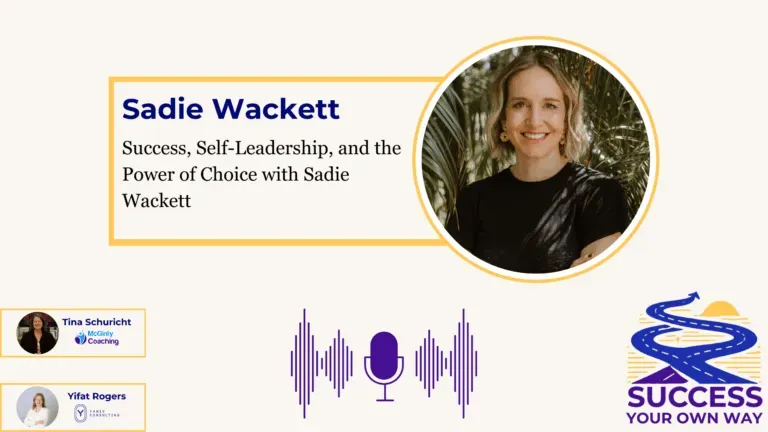
In this episode of SuccessYourOwnWay, “Success, Self-Leadership, and the Power of Choice”, executive coach and leadership advisor Sadie Wackett shares her journey of redefining success. With 20+ years in global HR leadership, a former CHRO, and as co-founder of Life Intended, Sadie empowers women through self-leadership and intentional living. She reflects on her career and […] The post Success, Self-Leadership, and the Power of Choice appeared first on McGinty Coaching.

By Tina-Schuricht November 7, 2025
How are you navigating the fog?  As the calendar inches toward its final pages, many leaders find themselves in a peculiar emotional fog. The year’s momentum slows, yet expectations remain high. Revisiting goals, evaluating performance, and the pressure to “finish strong” collides with fatigue, ambiguity, and the quiet whisper of “what’s next?” This season also […] The post Navigating the Fog appeared first on McGinty Coaching.

By Tina-Schuricht October 31, 2025
Unmasking success can feel scary and not just in a creepy, Halloween way.  Halloween is the one day a year we’re encouraged to dress up, play pretend, and step into someone else’s shoes. But what about the other 364 days? As professionals, leaders, and even coaches, we often wear invisible costumes—roles, personas, and expectations that […] The post Unmasking Success appeared first on McGinty Coaching.
By Tina-Schuricht October 29, 2025
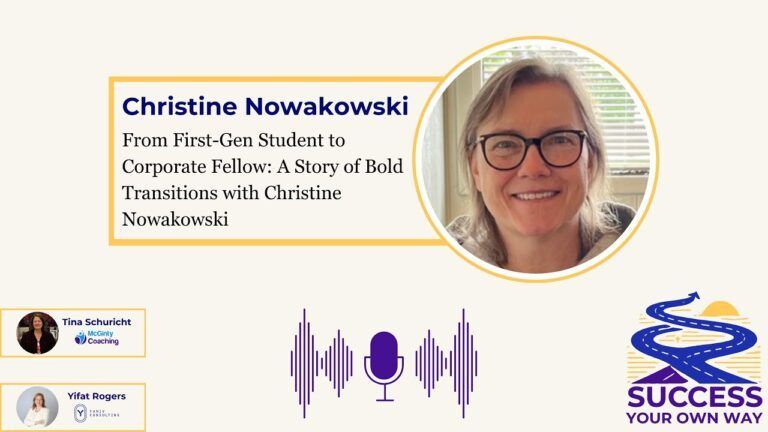
Do you have the courage to make bold transitions in your life?  If so check out this episode of Success Your Own Way! From First-Gen Student to Corporate Fellow: A Story of Bold Transitions with Christine Nowakowski In this inspiring episode, Dr. Christine Nowakowski—Corporate Fellow at Cargill and one of General Mills’ most prolific female […] The post A Story of Bold Transitions appeared first on McGinty Coaching.

By Tina-Schuricht October 24, 2025
Mentorship in motion isn’t just a catchy phrase.  The concept of mentorship being in motion refers to the power created by a reciprocal, dynamic, and evolving relationship. Effective mentorship spans generations, career stages, and even industries, forming a web of support, insight, and growth for everyone involved. Mentorship in Motion At its core, mentorship is […] The post Mentorship in Motion: Building Reciprocal Relationships That Last appeared first on McGinty Coaching.

By Tina-Schuricht October 17, 2025
Letting go to lead.  What does that mean for you? Autumn is nature’s quiet invitation to release. As the trees shed their leaves, they remind us that letting go isn’t a loss—it’s a necessary step in renewal. In leadership and life, we often cling to outdated beliefs, roles, or expectations simply because they’ve been with […] The post Letting Go To Lead appeared first on McGinty Coaching.
By Tina-Schuricht October 15, 2025
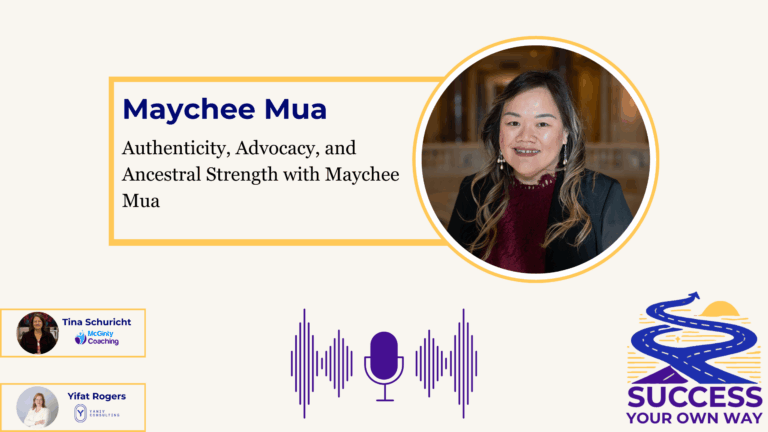
In this powerful episode of  SuccessYourOwnWay, you’ll meet Maychee Mua, a 2025 Bush Fellow, systems change leader, and first-generation Hmong-Chinese American.  Maychee shares her transformative journey of identity, advocacy, and redefining success. Maychee is navigating cultural duality, discovering her own neurodivergence, pioneering autism policy in Minnesota, and raising neurodivergent children. Maychee’s story is one of […] The post Authenticity, Advocacy, and Ancestral Strength with Maychee Mua appeared first on McGinty Coaching.

By Tina-Schuricht October 10, 2025
Parenting in the Fast Lane.  What does that mean and what does it have to do with coaching? Let me explain.  Parenting is a journey I have been on for over a decade – both enjoying and contemplating how to do it better.  One summer day, I was driving kids to their camps, and it […] The post Parenting in the Fast Lane appeared first on McGinty Coaching.

Show More