

How to Become a More Confident and Effective Leader
To become a more confident and effective leader, focus on building self-awareness, communicating clearly, making informed decisions, developing emotional intelligence, and consistently supporting your team. Leadership confidence grows through preparation, practice, and continuous learning rather than natural talent alone.
What Makes a Confident and Effective Leader?
A confident leader inspires trust without being overbearing. An effective leader helps individuals and teams achieve meaningful goals while creating a positive and productive work environment.
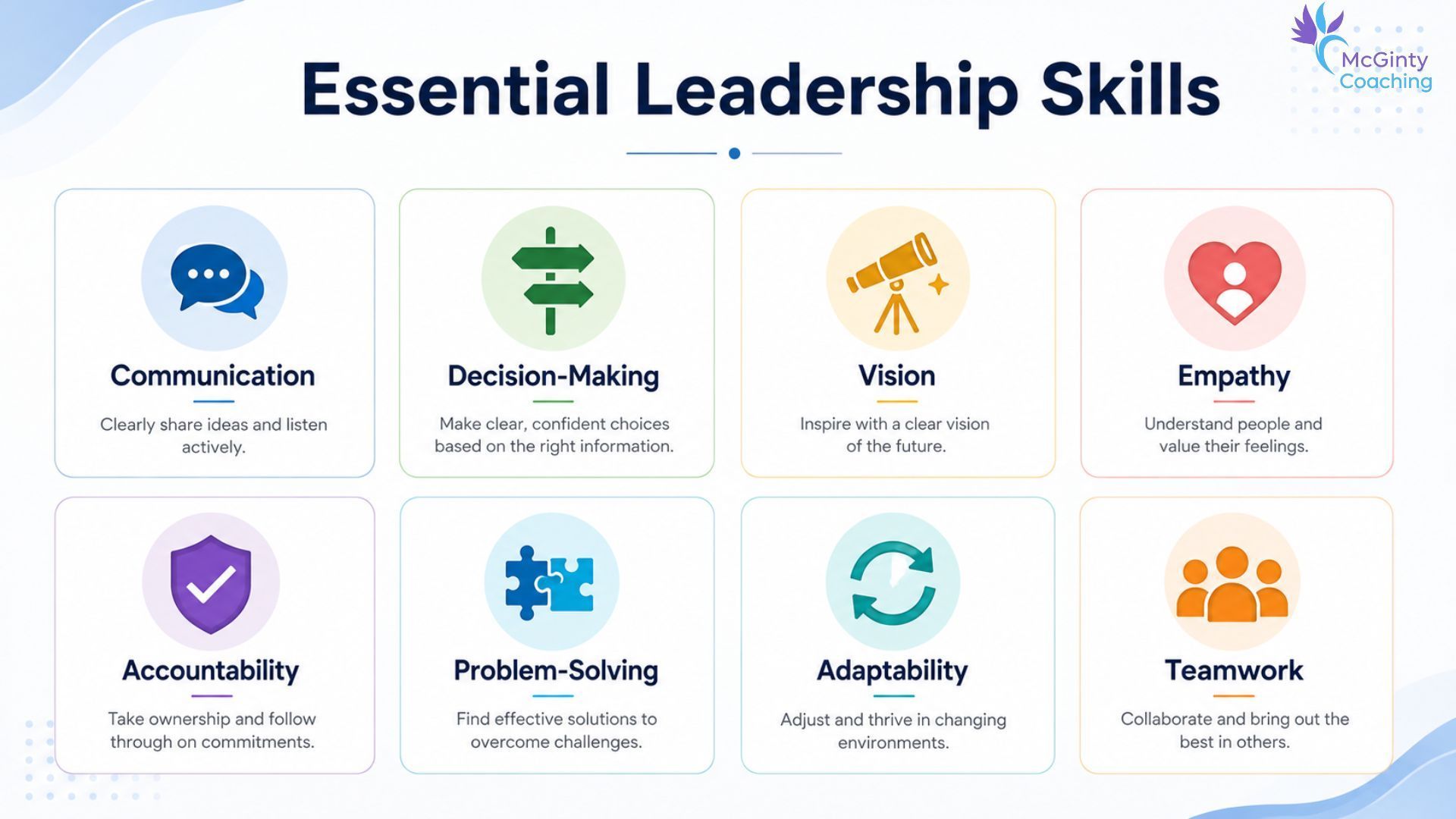
Strong leaders typically:
- Communicate with clarity.
- Make decisions based on facts and values.
- Listen actively.
- Adapt to change.
- Encourage collaboration.
- Accept responsibility for successes and failures.
- Continue learning and improving.
Confidence comes from competence, preparation, and experience—not from pretending to know everything.
Why Leadership Confidence Matters

Leadership confidence affects how teams respond to challenges and opportunities. When leaders communicate calmly and make thoughtful decisions, employees are more likely to stay engaged and motivated.
Benefits include:
- Better team morale
- Improved decision-making
- Greater employee trust
- Higher productivity
- Stronger workplace relationships
- Increased adaptability during change
1. Develop Self-Awareness
Self-awareness is the foundation of effective leadership. Understanding your strengths, weaknesses, communication style, and emotional triggers helps you lead more intentionally. Ways to improve self-awareness:
- Reflect on daily decisions.
- Ask for constructive feedback.
- Keep a leadership journal.
- Identify recurring challenges.
- Set measurable improvement goals.
Leaders who understand themselves can better understand and support others.
2. Improve Your Communication Skills
Great leaders communicate with clarity and purpose. Focus on:
- Speaking clearly and concisely.
- Listening without interrupting.
- Asking thoughtful questions.
- Confirming understanding.
- Giving constructive feedback.
Effective communication reduces confusion, improves collaboration, and builds trust across teams.
3. Build Confidence Through Preparation
Confidence grows when you're prepared. Before important meetings or presentations:
- Review the agenda.
- Gather relevant information.
- Anticipate questions.
- Prepare key talking points.
- Practice your delivery.
Preparation allows leaders to respond thoughtfully instead of reacting impulsively.
4. Strengthen Emotional Intelligence
Emotional intelligence is the ability to recognize, understand, and manage emotions—both your own and those of others. Develop emotional intelligence by:
- Practicing empathy.
- Managing stress effectively.
- Remaining calm during conflict.
- Understanding different perspectives.
- Responding instead of reacting.
Leaders with strong emotional intelligence often create healthier workplace cultures.
5. Make Decisions with Confidence
Confident leaders don't wait for perfect information. Instead, they gather the best available evidence, evaluate risks, and make timely decisions.
A practical decision-making process:
- Define the problem.
- Collect relevant information.
- Consider possible solutions.
- Evaluate risks and benefits.
- Make a decision.
- Review the outcome and learn from it.
Even experienced leaders occasionally make mistakes. What matters is learning and adapting.
6. Build Trust Within Your Team
Trust is earned through consistent actions. Build trust by:
- Keeping commitments.
- Being transparent.
- Admitting mistakes.
- Recognizing employee contributions.
- Treating everyone fairly.
- Following through on promises.
Teams that trust their leaders are generally more willing to collaborate and embrace change.
7. Delegate Effectively
Effective delegation is not about giving away work—it's about empowering others.
When delegating:
- Choose the right person.
- Explain expectations clearly.
- Provide necessary resources.
- Allow autonomy.
- Offer guidance when needed.
- Review results together.
Delegation develops future leaders while allowing managers to focus on strategic priorities.
8. Learn to Handle Difficult Conversations
Every leader faces challenging conversations. Best practices include:
- Address issues promptly.
- Focus on behaviors, not personalities.
- Listen carefully.
- Stay respectful.
- Work toward solutions.
- End with clear next steps.
Handling conflict professionally strengthens credibility and relationships.
9. Commit to Continuous Learning
Leadership skills evolve over time. Continue growing by:
- Reading leadership books.
- Attending workshops.
- Seeking mentorship.
- Learning from peers.
- Reflecting on successes and setbacks.
The most effective leaders remain curious and open to improvement throughout their careers.
10. Lead by Example
People often follow actions more closely than words. Demonstrate the behaviors you expect by:
- Being punctual.
- Showing integrity.
- Respecting others.
- Maintaining accountability.
- Staying positive during challenges.
- Supporting team members.
Leading by example reinforces your values and strengthens organizational culture.
Common Leadership Mistakes to Avoid
Avoid these common pitfalls:
- Micromanaging employees.
- Avoiding difficult conversations.
- Failing to listen.
- Resisting feedback.
- Making inconsistent decisions.
- Ignoring employee recognition.
- Trying to appear perfect instead of authentic.
Recognizing these habits early makes them easier to correct.
Frequently Asked Questions
Can leadership confidence be learned?
Yes. Confidence often develops through experience, preparation, feedback, and continuous practice rather than being an inborn trait.
What is the most important leadership skill?
There is no single skill that guarantees success, but communication, emotional intelligence, and decision-making consistently rank among the most valuable.
How long does it take to become a better leader?
Leadership development is an ongoing process. Consistent learning and practical experience usually produce gradual improvements over time.
How can I lead confidently if I'm new to management?
Focus on preparation, listening carefully, communicating honestly, asking questions, and building relationships with your team.
Does confidence mean always having the right answer?
No. Confident leaders acknowledge uncertainty when appropriate, seek expert input, and make informed decisions with the available information.
How do I build trust as a leader?
Be consistent, communicate openly, follow through on commitments, recognize achievements, and admit mistakes when they occur.

Conclusion
Becoming a more confident and effective leader is a continuous journey built on self-awareness, communication, emotional intelligence, sound decision-making, and a commitment to learning. By consistently applying these principles, you can strengthen your leadership abilities, build trust with your team, and create an environment where both individuals and organizations can thrive. Reach out to talk more about how to build your confidence.