
Emotional Intelligence (EQ) in Effective Coaching

April 18, 2024

Share this article

Emotional intelligence (EQ) is a cornerstone for effective coaching, which has emerged as a critical tool for fostering growth, enhancing performance, and facilitating transformative change. Among the variety of competencies and skills that a coach must possess,

Understanding Emotional Intelligence

Emotional Intelligence is the ability to recognize, understand, manage, and use emotions effectively in oneself and others. It encompasses several key skills, including self-awareness, self-regulation, motivation, empathy, and social skills. In the context of coaching, these components of EI are not just beneficial; they are essential for creating a resonant relationship between the coach and the coachee, which in turn, significantly impacts the coaching outcomes.

Have you ever met someone and wondered if they understood you?  Were they listening to what you were saying or did you feel dismissed or even undervalued?  This is an example of a lack of Emotional Intelligence.  If you were treated this way, it probably didn’t make you want to continue to engage in conversation.  And it could have even triggered you or evoked emotions of frustration or anger.  The first step in becoming a more emotionally intelligent individual yourself is to recognize when it is missing – in yourself or others.  Then, acknowledge the feelings and thoughts that a lack of EQ can create.  Finally, work to fix it.

Emotional Intelligence in Coaching: The Why and How

Building Trust and Rapport

At the heart of a successful coaching relationship lies trust. Coaches with high EQ are adept at creating a safe and supportive environment where coachees feel valued and understood. This is achieved through genuine empathy and active listening, allowing the coachee to open up and engage in deeper, more meaningful conversations.

Enhancing Self-Awareness

Self-awareness is both a component of EQ and a goal of coaching. Coaches use their EQ to hold up a mirror to their coachees, helping them gain insights into their own emotions, triggers, and patterns. This reflective process is pivotal for personal growth and development.

Facilitating Emotional Regulation

Coaching often involves navigating through change, challenges, and at times, emotional turmoil. A coach with high emotional intelligence can guide coachees in managing their emotions effectively, turning potential obstacles into stepping stones for resilience and growth.

Motivating and Inspiring

A key element of coaching is to motivate and inspire action towards goals. Coaches with high EQ tap into what truly drives their coachees at an emotional level, fostering intrinsic motivation and commitment to their goals.

Navigating Social Complexities

Coaching doesn’t occur in a vacuum but within the complex web of an individual’s personal and professional relationships. Coaches with strong social skills can advise on managing and enhancing these relationships, crucial for achieving success and fulfillment.

What to Look for in a Coach

As you begin to seek out a coach, pay attention to how they are showing up.  Are they creating a safe and supportive environment?  Do you feel valued and understood?  Are they showing empathy so that you can gain insights into your emotions, triggers, and patterns?  Are they helping you turn obstacles into opportunities for growth?  Do you feel motivated and inspired to take action?  If you answered yes to all of these questions then you may have found a coach that is right for you.  If you answered no to any of these, keep looking.

Cultivating Emotional Intelligence in Coaching

Developing EQ is an ongoing journey, not only for individuals seeking coaching (or being coached) but also for coaches themselves. Continuous self-reflection, seeking feedback, engaging in emotional intelligence training, and practicing mindfulness are among the strategies that enhance a coach’s EQ. If your coach doesn’t take an active interest in their personal development that can be a red flag.  The best coaches invest in themselves and ask for feedback consistently.  They listen intently and ensure the conversation is heading in a productive direction for the coachee.  They are present and engaged always.

Conclusion

The relationship between emotional intelligence and effective coaching is undeniable. As the corporate landscape continues to evolve, the demand for coaching that transcends traditional methodologies to include a deep understanding and application of emotional intelligence is increasing. For coaches, the journey towards mastering EQ is both a personal and professional mandate; for organizations and individuals alike, selecting coaches who exemplify high emotional intelligence is a critical step toward achieving lasting success and transformation.

If you want to learn more about how to find a coach that can support your growth, please reach out !


Recent Posts

Arrangement of colorful gourds with a crumpled paper that reads
By Tina-Schuricht November 21, 2025
Gratitude as a leadership practice in the workplace is far more than a fleeting “thank you” scribbled on a sticky note or tacked onto the end of an email. For leaders, genuine gratitude is a powerful tool that shapes culture, boosts morale, and helps teams navigate the inevitable storms of high-stress seasons. When leaders weave […] The post Gratitude as a Leadership Practice appeared first on McGinty Coaching.
By Tina-Schuricht November 14, 2025
It is the season of harvesting, not just crops, but harvesting wisdom.  This article is my 50th and this isn’t just a creative milestone—it’s a harvest. Each piece represents a seed planted in service of others: a thought offered, a question posed, a perspective shared. Over time, those seeds have grown into a field of […] The post Harvesting Wisdom – 50 Articles appeared first on McGinty Coaching.
By Tina-Schuricht November 12, 2025
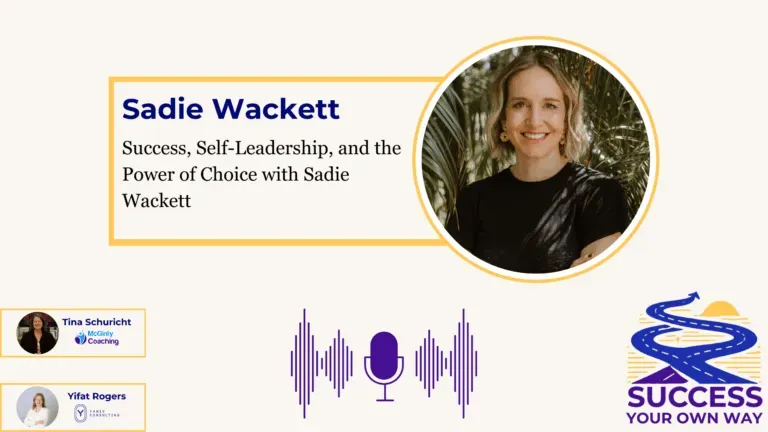
In this episode of SuccessYourOwnWay, “Success, Self-Leadership, and the Power of Choice”, executive coach and leadership advisor Sadie Wackett shares her journey of redefining success. With 20+ years in global HR leadership, a former CHRO, and as co-founder of Life Intended, Sadie empowers women through self-leadership and intentional living. She reflects on her career and […] The post Success, Self-Leadership, and the Power of Choice appeared first on McGinty Coaching.

By Tina-Schuricht November 7, 2025
How are you navigating the fog?  As the calendar inches toward its final pages, many leaders find themselves in a peculiar emotional fog. The year’s momentum slows, yet expectations remain high. Revisiting goals, evaluating performance, and the pressure to “finish strong” collides with fatigue, ambiguity, and the quiet whisper of “what’s next?” This season also […] The post Navigating the Fog appeared first on McGinty Coaching.

By Tina-Schuricht October 31, 2025
Unmasking success can feel scary and not just in a creepy, Halloween way.  Halloween is the one day a year we’re encouraged to dress up, play pretend, and step into someone else’s shoes. But what about the other 364 days? As professionals, leaders, and even coaches, we often wear invisible costumes—roles, personas, and expectations that […] The post Unmasking Success appeared first on McGinty Coaching.
By Tina-Schuricht October 29, 2025
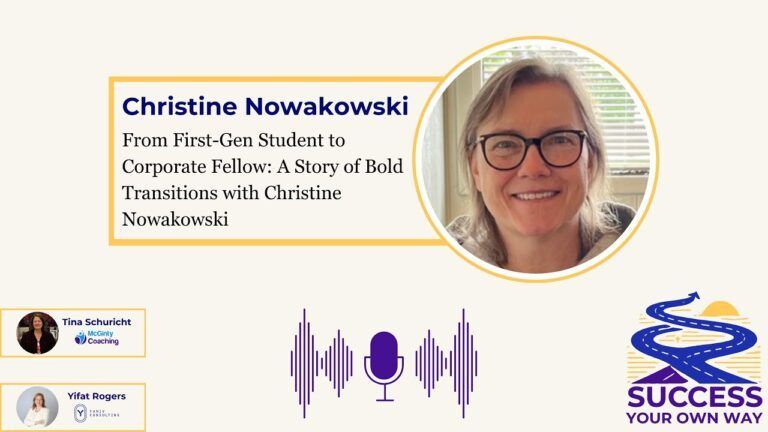
Do you have the courage to make bold transitions in your life?  If so check out this episode of Success Your Own Way! From First-Gen Student to Corporate Fellow: A Story of Bold Transitions with Christine Nowakowski In this inspiring episode, Dr. Christine Nowakowski—Corporate Fellow at Cargill and one of General Mills’ most prolific female […] The post A Story of Bold Transitions appeared first on McGinty Coaching.

By Tina-Schuricht October 24, 2025
Mentorship in motion isn’t just a catchy phrase.  The concept of mentorship being in motion refers to the power created by a reciprocal, dynamic, and evolving relationship. Effective mentorship spans generations, career stages, and even industries, forming a web of support, insight, and growth for everyone involved. Mentorship in Motion At its core, mentorship is […] The post Mentorship in Motion: Building Reciprocal Relationships That Last appeared first on McGinty Coaching.

By Tina-Schuricht October 17, 2025
Letting go to lead.  What does that mean for you? Autumn is nature’s quiet invitation to release. As the trees shed their leaves, they remind us that letting go isn’t a loss—it’s a necessary step in renewal. In leadership and life, we often cling to outdated beliefs, roles, or expectations simply because they’ve been with […] The post Letting Go To Lead appeared first on McGinty Coaching.
By Tina-Schuricht October 15, 2025
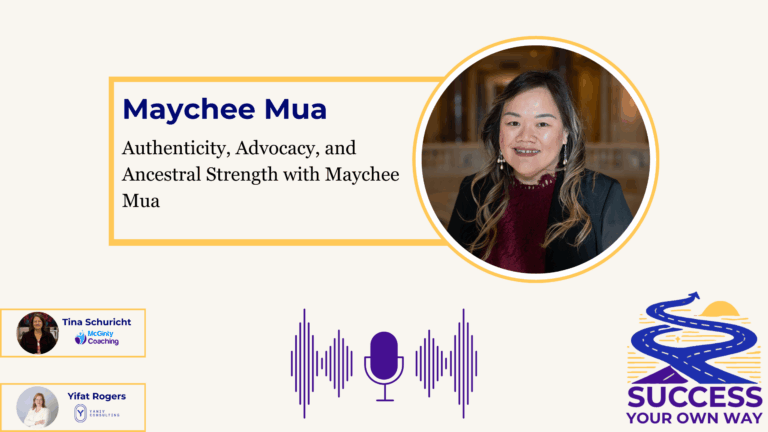
In this powerful episode of  SuccessYourOwnWay, you’ll meet Maychee Mua, a 2025 Bush Fellow, systems change leader, and first-generation Hmong-Chinese American.  Maychee shares her transformative journey of identity, advocacy, and redefining success. Maychee is navigating cultural duality, discovering her own neurodivergence, pioneering autism policy in Minnesota, and raising neurodivergent children. Maychee’s story is one of […] The post Authenticity, Advocacy, and Ancestral Strength with Maychee Mua appeared first on McGinty Coaching.

By Tina-Schuricht October 10, 2025
Parenting in the Fast Lane.  What does that mean and what does it have to do with coaching? Let me explain.  Parenting is a journey I have been on for over a decade – both enjoying and contemplating how to do it better.  One summer day, I was driving kids to their camps, and it […] The post Parenting in the Fast Lane appeared first on McGinty Coaching.

Show More