Coaches Help Leaders Manage Team Dynamics

Tina-Schuricht • April 25, 2025

Share this article

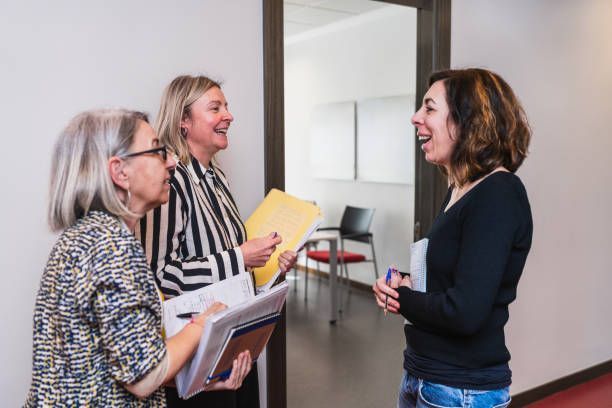
Coaches help leaders manage team dynamics and that is no easy feat. Ever led a team where there was tangible tension?  A sense of competition?  Been a part of one like that?  It isn’t a lot of fun, is it?  We spend so much of our lives working that having to face a non-harmonious environment day after day, month after month, and year after year can really take a toll on individuals’ mental health and productivity.  Leaders are often faced with diverse personalities, conflicting opinions, and varying work styles that can either fuel innovation or lead to tension. Coaches can help leaders handle this situation by offering guidance to leaders on how to cultivate collaboration, navigate challenges, and optimize team performance. Coaches bring expertise in interpersonal skills, emotional intelligence , and conflict resolution, empowering leaders to create harmonious and productive teams.

Fostering Self-Awareness

Effective team management starts with self-awareness. Coaches help leaders recognize their own strengths, weaknesses, and tendencies, enabling them to understand how their leadership style impacts the team. Through assessments and reflective exercises, coaches uncover blind spots and biases that might affect decision-making or team morale. A leader who is self-aware is better equipped to adapt their approach to meet the unique needs of their team members.

Enhancing Communication Skills

Many times, work dynamics are affected when leaders do not communicate clearly – whether that be regarding roles and responsibilities, scope and timelines for projects, or expectations on collaboration.  Clear, transparent, and empathetic communication is critical in managing team dynamics. Coaches work with leaders to refine their ability to articulate vision, provide constructive feedback, and listen actively. They introduce techniques to foster open dialogue, ensuring all team members feel heard and valued. By modeling effective communication, leaders can reduce misunderstandings and build trust within the team.

Navigating Conflict Resolution

Conflict is inevitable in any group setting, but it doesn’t have to be destructive – in fact addressing it proactively and supportively can drive innovation. Living in the Midwest, I have found that many leaders either avoid conflict all together or are late in engaging with team members to address it.  Coaches guide leaders on how to approach conflicts proactively, turning them into opportunities for growth and collaboration. From mediating disputes to understanding underlying issues, coaches equip leaders with strategies to address disagreements in a fair, equitable, and productive manner. By maintaining a calm and impartial stance, leaders can resolve conflicts while preserving relationships and morale.

Building Emotional Intelligence

Team dynamics are often influenced by the emotional maturity of individuals as well as the emotional undercurrents within the group. Coaches help leaders develop emotional intelligence, enabling them to recognize, understand, and manage both their own emotions and those of their team members. This skill is invaluable in fostering empathy, managing stress, and promoting a positive work environment. Leaders with high emotional intelligence can read the room, anticipate challenges, and respond in a way that strengthens team cohesion.

Encouraging Team Empowerment

Teams thrive when members feel empowered to contribute and take ownership of their roles. Coaches guide leaders in creating an environment where team members feel supported and encouraged to innovate. This might involve delegating responsibilities, recognizing achievements, or fostering collaborative problem-solving. An empowered team is more likely to be engaged, motivated, and aligned with organizational goals.

Driving Continuous Improvement

Coaches help leaders embrace a mindset of continuous improvement, encouraging them to seek feedback and reflect on their impact. By periodically assessing team dynamics and addressing areas for improvement, leaders can ensure their teams remain agile and adaptable in a fast-changing business landscape. Coaches often act as sounding boards, providing valuable insights and helping leaders refine their strategies over time.

Create an Environment Where All Can Thrive

Coaches help leaders manage team dynamics. Through self-awareness, communication skills, emotional intelligence, and conflict resolution, coaches empower leaders to build cohesive and high-performing teams. Their guidance not only enhances leadership capabilities but also drives the success of the entire organization. A coach, in essence, is a catalyst for creating environments where both leaders and teams can thrive. Reach out if you want to learn more about how coaches help leaders manage team dynamics.

Recent Posts

Rediscover Passion in Your Career
By Tina Schuricht February 13, 2026
Reconnect with your purpose, embrace learning, build relationships, celebrate wins, and be open to change, to rediscover passion in your career and love what you do.
Staying Committed in February
By Tina Schuricht February 6, 2026
Revisit your “why,” break goals into manageable steps, build accountability, and celebrate success to sustain your momentum and turn your resolutions into realities.
Hand holding smartphone inside a cage, symbolizing addiction to technology. Yellow background.
By Tina Schuricht January 30, 2026
Taking a digital detox is an act of leadership that enhances effectiveness and fosters a more mindful, resilient, and innovative workplace.
Person in yellow hoodie and shorts sits on bench, head down, knees up, next to a basketball, chain-link fence in background.
By Tina Schuricht January 23, 2026
Reframing failure and using it as fuel for growth opens ourselves up to new possibilities and greater resilience to achieve what we desire. Our response matters.
Woman with a black shaker and bag walking on a track, smiling, outdoors.
By Tina Schuricht January 9, 2026
The power of micro-habits lies in their ability to bypass resistance and foster consistency leading to lasting change.
Woman with closed eyes frames face with outstretched hands.
By Tina Schuricht January 9, 2026
To move from burnout to boundaries, you must lead with grace - show up authentically, honor your limits, and invite others to do the same
Success Your Own Way
By Tina Schuricht December 24, 2025
Explore the fluid nature of achievement and how the definition of success evolves throughout different life stages from external markers toward internal ones.
Computer with Christmas lights draped around the screen and keyboard, on a desk in an office.
By Tina Schuricht December 12, 2025
The holiday season brings warmth, celebration, and connection—but for many neurodivergent professionals, it also introduces sensory overload, social pressure, and disrupted routines. As a leader, your ability to create inclusive environments during this time isn’t just compassionate—it’s strategic. Neurodivergent team members may experience the holidays differently due to sensitivities around noise, light, crowds, or changes in structure. By leading with awareness and adaptability, you can foster belonging while reducing unnecessary stress. Why Holidays Can Be Challenging for Neurodivergent Employees Sensory Overload: Office parties, decorations, music, and crowded spaces can be overwhelming. Social Expectations : Unspoken norms around gift exchanges, small talk, or group activities may feel confusing or exhausting. Routine Disruption : Shifts in schedules, travel, and year-end deadlines can heighten anxiety or executive functioning challenges. Masking Pressure : The pressure to “fit in” or appear festive can lead to emotional fatigue and burnout. Inclusive Strategies for Leaders Here’s how you can support neurodivergent team members with grace and intentionality: Offer Opt-In Social Events Make participation optional and clearly communicate that declining is welcome. Provide alternative ways to connect—like virtual gratitude walls or one-on-one appreciation notes. Create Sensory-Friendly Spaces If hosting in-person events, designate quiet zones. Avoid flashing lights, loud music, or strong scents. Ask for input on what feels comfortable. Respect Communication Preferences Some team members may prefer written updates over verbal announcements or need extra time to process changes. Use multiple formats and give advance notice for schedule shifts. Honor Routine and Flexibility Maintain predictable workflows where possible. Offer flexible hours, remote options, or asynchronous participation in holiday activities. Model Inclusive Language Avoid assumptions like “everyone loves this time of year.” Instead, acknowledge diverse experiences and invite open dialogue: “We know the holidays feel different for everyone—let us know how we can support you.” Educate and Empower Your Team Share resources on neurodiversity. Encourage peer learning and normalize accommodations as part of a thriving workplace culture. Leadership That Listens Inclusive leadership isn’t about perfection—it’s about presence. When you listen deeply, adapt thoughtfully, and lead with empathy, you create a workplace where every team member feels seen, respected, and safe to show up as they are.  This holiday season, let your leadership be a gift: one that honors difference, invites authenticity, and celebrates connection in all its forms. Reach out if you want to talk more about strategies to support all of your team members this holiday season.
By Tina Schuricht December 10, 2025
In this episode of Success Your Own Way , Alex Popp shares his inspiring shift from a successful R&D & Sourcing career at General Mills to purpose-driven entrepreneurship rooted in permaculture. After a spiritual awakening in 2022 shifted his trajectory, he left corporate life and founded PermaCulture Party in February 2024. Shortly after, he met his fiancé, Chanel, and together—they transform landscapes into foodscapes, host plant & dance parties, gift trees, plants and food forests to children through Neighborhood Forest, and cultivate eco-conscious-tourism through Airbnb experiences. Alex discusses how his definition of success evolved—from career milestones to heart-led impact, gratitude, and alignment with the natural world. Mentorship played a key role, from family and colleagues to permaculture guides and business coaches. He explains permaculture as a framework for living in harmony with Earth, guided by three ethics: People Care, Earth Care, and Fair Share. His proudest moments include proposing to Chanel and hosting a PermaCulture Party at Earth Vibe Festival, where his vision of planting a food forest while dancing and playing at a conscious festival came to life. Alex encourages listeners to: 🔥 Discover their soul’s purpose 🧘‍♂️ Use meditation to tune into intuition 💡 Plan wisely before making career shifts 🌱 Explore permaculture through books, videos, or design courses  His story is a powerful reminder to live intentionally, embrace abundance, and trust the journey.
By Tina Schuricht December 5, 2025
Let’s be honest, staying healthy during the holidays is challenging. And I’m not just talking about physical; maintaining your mental health can be a challenge, too. Between festive gatherings, travel, and year-end deadlines, it’s easy to lose sight of our well-being. The good news? With a few intentional choices, you can protect your physical and mental health while still embracing the spirit of the season. Prioritize Mental Health with Boundaries and Balance Set Realistic Expectations You don’t have to do it all. Choose what matters most—whether it’s quality time with loved ones, rest, or meaningful traditions—and let go of the rest. Perfection isn’t the goal; presence is. Schedule Downtime Block out time to recharge, even if it’s just 15 minutes a day. Read, journal, take a walk, or simply breathe. Protecting your peace is a form of leadership. Say “No” with Kindness It’s okay to decline invitations or step back from obligations that drain you. A simple, “Thank you for thinking of me, but I’m not able to join this time,” honors both your needs and the relationship. Stay Connected—Your Way If large gatherings feel overwhelming, opt for smaller meetups or one-on-one check-ins. Connection doesn’t have to be loud or crowded to be meaningful. Support Physical Health with Gentle Consistency Move Your Body Daily You don’t need a gym or a perfect routine. Stretch in the morning, dance in the kitchen, or take a brisk walk after meals. Movement boosts mood, digestion, and energy. Hydrate and Nourish Amid holiday treats and toasts, don’t forget water and balanced meals. Start your day with a protein-rich breakfast and aim for colorful, whole foods when possible. Sleep Like It’s Sacred Late nights are common this time of year, but consistent sleep is key to immunity, focus, and emotional regulation. Try to keep a regular bedtime and wind down with calming rituals. Listen to Your Body Pay attention to signs of fatigue, tension, or overwhelm. Your body is wise—honor its cues with rest, movement, or support. Celebrate with Intention Health isn’t about restriction—it’s about alignment. What brings you joy? What helps you feel grounded? Whether it’s a quiet morning walk, a shared meal, or a moment of gratitude, let your celebrations reflect your values. And if this season feels heavy or complicated, know that you’re not alone. Reach out. Ask for help. Offer grace to yourself and others.  Because the most meaningful gift you can give—at home, at work, or in your community—is your whole, healthy self. Reach out if you want to talk more about how to maintain your health throughout this holiday season.
Show More