
The Risk of Doing Nothing: A Silent Threat

Tina-Schuricht • October 31, 2024

Share this article

In a world constantly in flux, where change is the only constant, the act of doing nothing can be deceptively attractive. It might seem like a path of least resistance—maintaining the status quo, avoiding decisions, or delaying action. However, the risk of doing nothing often outweighs the perceived safety and comfort. This article delves into why inaction can be more dangerous than we might think.

Missed Opportunities

One of the most significant risks of doing nothing is the loss of opportunities. Inaction can lead to missed chances that may not come again. Recently I had the opportunity to meet Michelle Young.  For those of you who aren’t familiar with Michelle, she was a former Bachelorette and Minnesota educator.  She is now thriving as a television personality, speaker, and activist.  I watched Michelle on The Bachelor and The Bachelorette and always appreciated how she showed up – with charisma, positivity, and integrity. I was also aware of her love of basketball, which happens to be a shared passion.

A Risk I Dared to Take

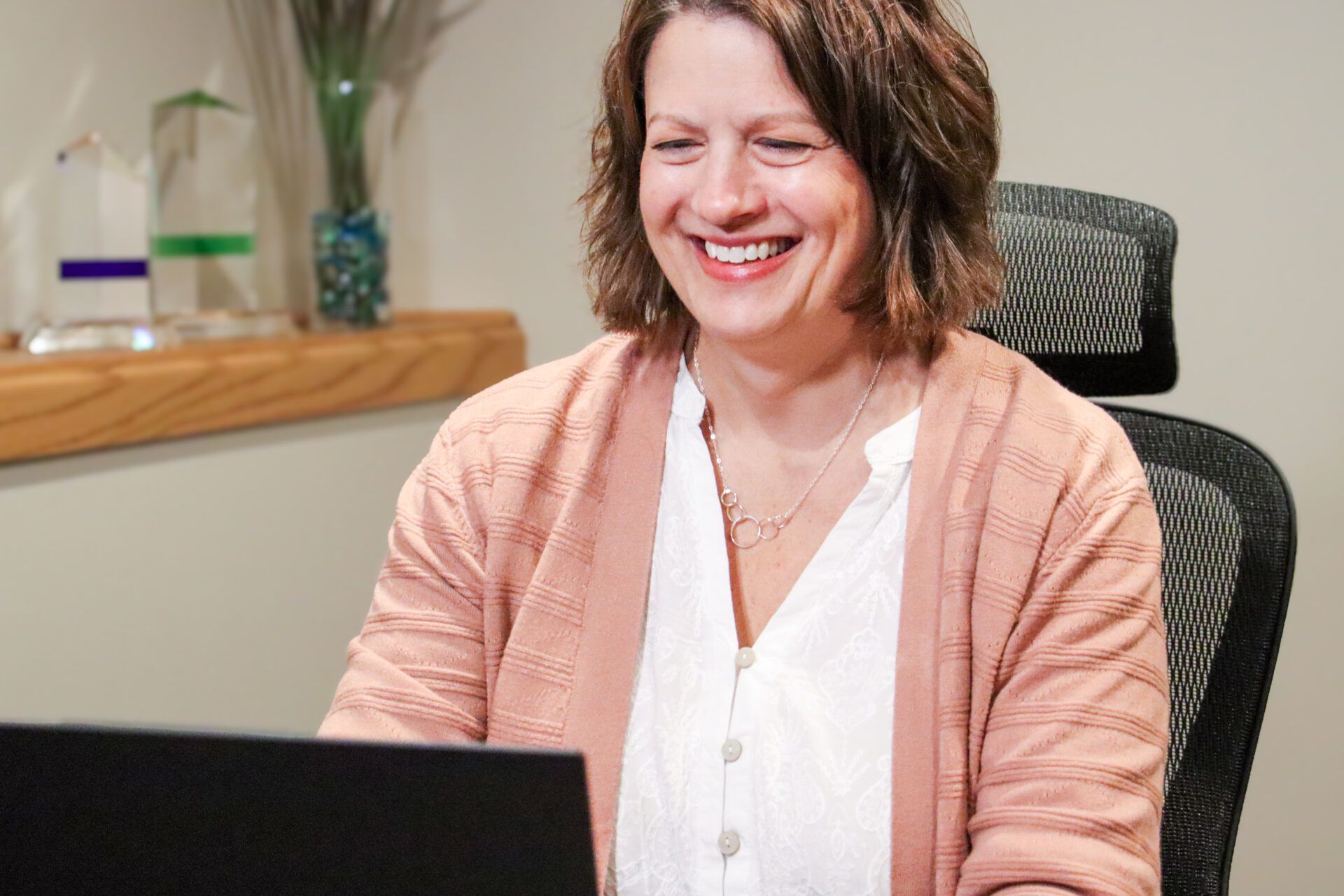
At a recent MN United Football Club (UMNFC) game at Allianz Field , Michelle was hosting a booth to support her foundation, the Michelle Young Foundation.  Now this might sound a little silly, but I was starstruck. I wanted to be brave and walk right up and boldly introduce myself, but I wasn’t feeling brave at all.  I finally summoned the courage to approach Michelle and I’m so glad I did.  She was warm, welcoming, and gracious (as were her parents who were there supporting her). And she agreed to take a photo with me.  To many of you, this may just look like any old photo.  For me, it is more than a photo. It represents a risk I dared to take .

Hesitating or failing to act can result in regretting what might have been. The world rewards those who take calculated risks, seize the moment, and are proactive.  I’m grateful that I dared to take a risk and I lean on this experience when I’m feeling unsure or nervous about taking action.

Stagnation vs. Growth

Doing nothing often means resisting change. And change is everywhere. While doing nothing might feel safe and comfortable in the short term, it leads to stagnation. I have talked to many friends in the corporate world who seem paralyzed in their current role.  They know they aren’t growing yet they want to grow.  They know they aren’t happy but want to be happier.  But they do nothing to change their situation. Why is that?  Because doing nothing seems safer.  They convince themselves that change may make things worse.  Or that if they make a change, they will lose their hard-earned ground.  That doing nothing is the least risky choice.  But the reality is that the short-sighted decision to do nothing will likely have longer-term consequences.  Doing nothing is a silent threat.

Growth and progress, whether personal or professional, requires action, adaptation, and sometimes, stepping into the unknown. Without taking steps forward, individuals and organizations remain in a static state, unable to evolve with the changing world. This stagnation not only limits potential but also creates a vulnerability to becoming obsolete.

The Illusion of Safety

Many people choose to do nothing because they fear making mistakes or the uncertainty that comes with action. However, this perceived safety is an illusion. Avoiding decisions doesn’t eliminate risk; it simply shifts the risk from short-term to longer-term. For instance, not making a career move might feel like a safer choice in the moment, but staying in a stagnant job leads to long-term dissatisfaction and missed professional growth.  I have talked to many who wish they would have made a change sooner. I have also struggled with making changes until I realized I was truly and deeply unhappy.  And at that point making a change felt more like running away from something rather than running toward something better.  Doing nothing ended up not being safe, where making a change sooner would have actually provided safety and security in the longer term.

The Cost of Regret

Regret is often more painful and longer lasting than the fear of failure. Doing nothing out of fear can lead to a lifetime of “what ifs.” Reflecting on missed chances and knowing you didn’t try can be more damaging to one’s psyche than having tried and failed. Regret can also impact mental health, leading to feelings of sadness, anxiety, and a pervasive sense of unfulfilled potential.  Do I have regrets about staying somewhere too long?  You bet I do! I wished I had left my last role on my terms to fulfill my dream of becoming a professional coach.  I regret that I allowed that control to be taken from me. Do these experiences help me be a better coach?  You bet they do! Recognizing patterns of lingering too long is one of the first things you can do to keep it from happening again and preventing you from feeling regret.

Impact on Relationships

In relationships, doing or saying nothing can be damaging. Avoiding difficult conversations, not making an effort to connect, or neglecting to show appreciation causes relationships to deteriorate. Yes, having difficult conversations can be tough, but is being the dark or keeping someone else in the dark a better alternative?  Not in my experience.  Doing nothing can feel good in the moment, but the implications can cause long-term deep damage to both you and the person you have a relationship with. Failing to nurture relationships can lead to misunderstandings, resentment, and ultimately, loss of meaningful connections and the relationship itself.  One way to overcome doing nothing is to prepare.  What do you need to communicate?  What are you afraid will occur?  How can you anticipate the reaction?  A little bit of preparation and empathy can go a long way when confronting a challenging situation or conversation.

Organizational Paralysis

For businesses and organizations, doing nothing can be catastrophic. In a rapidly evolving market, companies that fail to innovate, adapt to new technologies, or respond to customer needs quickly become irrelevant. Ever heard of Kodak?  How about Nokia?  Yahoo?  Blockbuster?  Xerox?   These are examples of companies that were unable to keep up with the pace of change and innovation.  The risk of doing nothing for them resulted in their demise as well as job loss for their employees and financial impacts on shareholders.  Organizational paralysis, stemming from a fear of change, leads to a decline in competitive edge, loss of market share, and eventually, business failure.

Embracing Action

Embracing action is essential for growth and progress even in the face of uncertainty. It’s important to understand that not all actions will lead to success, but each step provides learning opportunities and the potential for future success. Being courageous, proactive, willing to take calculated risks, and embracing change can lead to personal fulfillment, professional success, and the avoidance of the deeper risks associated with doing nothing. In essence, while the temptation to do nothing can be strong, particularly in the face of fear and uncertainty, the long-term risks and costs can be substantial. Embracing action, making decisions, and being proactive are keys to avoiding the silent threat of inaction.

Still not convinced? Let’s talk about how you can move from doing nothing out of fear to doing something that will help you achieve your goals.

Recent Posts

Rediscover Passion in Your Career
By Tina Schuricht February 13, 2026
Reconnect with your purpose, embrace learning, build relationships, celebrate wins, and be open to change, to rediscover passion in your career and love what you do.
Staying Committed in February
By Tina Schuricht February 6, 2026
Revisit your “why,” break goals into manageable steps, build accountability, and celebrate success to sustain your momentum and turn your resolutions into realities.
Hand holding smartphone inside a cage, symbolizing addiction to technology. Yellow background.
By Tina Schuricht January 30, 2026
Taking a digital detox is an act of leadership that enhances effectiveness and fosters a more mindful, resilient, and innovative workplace.
Person in yellow hoodie and shorts sits on bench, head down, knees up, next to a basketball, chain-link fence in background.
By Tina Schuricht January 23, 2026
Reframing failure and using it as fuel for growth opens ourselves up to new possibilities and greater resilience to achieve what we desire. Our response matters.
Woman with a black shaker and bag walking on a track, smiling, outdoors.
By Tina Schuricht January 9, 2026
The power of micro-habits lies in their ability to bypass resistance and foster consistency leading to lasting change.
Woman with closed eyes frames face with outstretched hands.
By Tina Schuricht January 9, 2026
To move from burnout to boundaries, you must lead with grace - show up authentically, honor your limits, and invite others to do the same
Success Your Own Way
By Tina Schuricht December 24, 2025
Explore the fluid nature of achievement and how the definition of success evolves throughout different life stages from external markers toward internal ones.
Computer with Christmas lights draped around the screen and keyboard, on a desk in an office.
By Tina Schuricht December 12, 2025
The holiday season brings warmth, celebration, and connection—but for many neurodivergent professionals, it also introduces sensory overload, social pressure, and disrupted routines. As a leader, your ability to create inclusive environments during this time isn’t just compassionate—it’s strategic. Neurodivergent team members may experience the holidays differently due to sensitivities around noise, light, crowds, or changes in structure. By leading with awareness and adaptability, you can foster belonging while reducing unnecessary stress. Why Holidays Can Be Challenging for Neurodivergent Employees Sensory Overload: Office parties, decorations, music, and crowded spaces can be overwhelming. Social Expectations : Unspoken norms around gift exchanges, small talk, or group activities may feel confusing or exhausting. Routine Disruption : Shifts in schedules, travel, and year-end deadlines can heighten anxiety or executive functioning challenges. Masking Pressure : The pressure to “fit in” or appear festive can lead to emotional fatigue and burnout. Inclusive Strategies for Leaders Here’s how you can support neurodivergent team members with grace and intentionality: Offer Opt-In Social Events Make participation optional and clearly communicate that declining is welcome. Provide alternative ways to connect—like virtual gratitude walls or one-on-one appreciation notes. Create Sensory-Friendly Spaces If hosting in-person events, designate quiet zones. Avoid flashing lights, loud music, or strong scents. Ask for input on what feels comfortable. Respect Communication Preferences Some team members may prefer written updates over verbal announcements or need extra time to process changes. Use multiple formats and give advance notice for schedule shifts. Honor Routine and Flexibility Maintain predictable workflows where possible. Offer flexible hours, remote options, or asynchronous participation in holiday activities. Model Inclusive Language Avoid assumptions like “everyone loves this time of year.” Instead, acknowledge diverse experiences and invite open dialogue: “We know the holidays feel different for everyone—let us know how we can support you.” Educate and Empower Your Team Share resources on neurodiversity. Encourage peer learning and normalize accommodations as part of a thriving workplace culture. Leadership That Listens Inclusive leadership isn’t about perfection—it’s about presence. When you listen deeply, adapt thoughtfully, and lead with empathy, you create a workplace where every team member feels seen, respected, and safe to show up as they are.  This holiday season, let your leadership be a gift: one that honors difference, invites authenticity, and celebrates connection in all its forms. Reach out if you want to talk more about strategies to support all of your team members this holiday season.
By Tina Schuricht December 10, 2025
In this episode of Success Your Own Way , Alex Popp shares his inspiring shift from a successful R&D & Sourcing career at General Mills to purpose-driven entrepreneurship rooted in permaculture. After a spiritual awakening in 2022 shifted his trajectory, he left corporate life and founded PermaCulture Party in February 2024. Shortly after, he met his fiancé, Chanel, and together—they transform landscapes into foodscapes, host plant & dance parties, gift trees, plants and food forests to children through Neighborhood Forest, and cultivate eco-conscious-tourism through Airbnb experiences. Alex discusses how his definition of success evolved—from career milestones to heart-led impact, gratitude, and alignment with the natural world. Mentorship played a key role, from family and colleagues to permaculture guides and business coaches. He explains permaculture as a framework for living in harmony with Earth, guided by three ethics: People Care, Earth Care, and Fair Share. His proudest moments include proposing to Chanel and hosting a PermaCulture Party at Earth Vibe Festival, where his vision of planting a food forest while dancing and playing at a conscious festival came to life. Alex encourages listeners to: 🔥 Discover their soul’s purpose 🧘‍♂️ Use meditation to tune into intuition 💡 Plan wisely before making career shifts 🌱 Explore permaculture through books, videos, or design courses  His story is a powerful reminder to live intentionally, embrace abundance, and trust the journey.
By Tina Schuricht December 5, 2025
Let’s be honest, staying healthy during the holidays is challenging. And I’m not just talking about physical; maintaining your mental health can be a challenge, too. Between festive gatherings, travel, and year-end deadlines, it’s easy to lose sight of our well-being. The good news? With a few intentional choices, you can protect your physical and mental health while still embracing the spirit of the season. Prioritize Mental Health with Boundaries and Balance Set Realistic Expectations You don’t have to do it all. Choose what matters most—whether it’s quality time with loved ones, rest, or meaningful traditions—and let go of the rest. Perfection isn’t the goal; presence is. Schedule Downtime Block out time to recharge, even if it’s just 15 minutes a day. Read, journal, take a walk, or simply breathe. Protecting your peace is a form of leadership. Say “No” with Kindness It’s okay to decline invitations or step back from obligations that drain you. A simple, “Thank you for thinking of me, but I’m not able to join this time,” honors both your needs and the relationship. Stay Connected—Your Way If large gatherings feel overwhelming, opt for smaller meetups or one-on-one check-ins. Connection doesn’t have to be loud or crowded to be meaningful. Support Physical Health with Gentle Consistency Move Your Body Daily You don’t need a gym or a perfect routine. Stretch in the morning, dance in the kitchen, or take a brisk walk after meals. Movement boosts mood, digestion, and energy. Hydrate and Nourish Amid holiday treats and toasts, don’t forget water and balanced meals. Start your day with a protein-rich breakfast and aim for colorful, whole foods when possible. Sleep Like It’s Sacred Late nights are common this time of year, but consistent sleep is key to immunity, focus, and emotional regulation. Try to keep a regular bedtime and wind down with calming rituals. Listen to Your Body Pay attention to signs of fatigue, tension, or overwhelm. Your body is wise—honor its cues with rest, movement, or support. Celebrate with Intention Health isn’t about restriction—it’s about alignment. What brings you joy? What helps you feel grounded? Whether it’s a quiet morning walk, a shared meal, or a moment of gratitude, let your celebrations reflect your values. And if this season feels heavy or complicated, know that you’re not alone. Reach out. Ask for help. Offer grace to yourself and others.  Because the most meaningful gift you can give—at home, at work, or in your community—is your whole, healthy self. Reach out if you want to talk more about how to maintain your health throughout this holiday season.
Show More